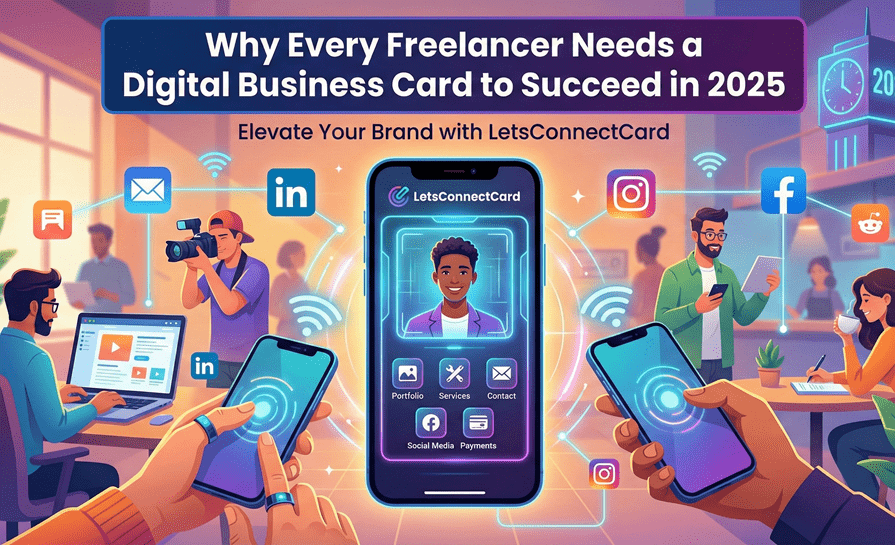
Imagine meeting a dream client and missing the moment because your business card is buried, outdated, or simply forgotten. In today’s fast-paced freelance world, connections are forged in seconds—are you ready to make every second count? What Is a Digital Business Card? A digital business card is a virtual, interactive profile that displays your contact information, portfolio, and professional branding in a single, easily shareable link, QR code, or NFC-enabled card. Unlike paper cards, digital business cards never run out, don’t tear, and can be instantly updated as your skills, contact details, or services evolve. Platforms like Lets Connect Card leverage modern NFC and QR technology, empowering freelancers to seamlessly share their story at any opportunity. Why Freelancers Can’t Afford to Rely on Paper Cards Every freelance conversation could lead to your next big project—but only if you make the right impression and ensure that clients can contact you effortlessly. Relying on paper cards introduces friction: they get lost, damaged, or are left behind, causing missed connections. In fact, 27 million business cards are printed daily, but nearly 88% are discarded within a week (Statistic source: Adobe). That’s not good news for freelancers aiming to make their mark. Switching to digital cards isn’t just convenient—it’s strategic. A recent Blinq industry report found that freelancers who use digital cards experience a 31% increase in user engagement over those using standard designs (Statistic source: Blinq). This powerful engagement leads to real-world results: more connections followed up, more portfolios viewed, and more projects landed. Stand Out and Stay Memorable in a Crowded Marketplace As a freelancer, your brand must stand out instantly. A digital business card allows you to present a curated introduction with polished visuals, clickable links, and direct access to your best work. Whether you’re sharing your digital portfolio via a smart business card at events or linking to your social profiles from your phone, you’re signaling professionalism and modernity. Learn about how smart business cards drive ROI for professionals and see how digital cards offer a first impression that sticks longer than a paper card ever could. Key Reasons Every Freelancer Needs a Digital Business Card Always Up to Date: Instantly update your services, rates, or contact details so clients never receive outdated information—a problem that plagues static paper cards. Share Anywhere, Anytime: Transmit your card seamlessly via email, QR code, social media, or NFC tap—no need to be physically present to make a connection. Eco-Friendly and Cost Effective: Digital business cards eliminate waste and the recurring costs of print runs, supporting both your budget and the planet. Discover more on the eco-friendly benefits of digital business cards. Personalized Branding: Customize designs, add logos, and embed video intros or testimonials to reflect your unique expertise and personal brand. Interactive Portfolio Showcase: Directly link samples of your work, testimonials, or booking forms—giving clients everything they need to say “yes” on the spot. Track and Optimize Networking: Many digital cards let you see who views your card and engages with your content, helping you identify leads and focus your follow-up where it matters most. For freelancers who want full control over their brand, Lets Connect Card’s digital business card provides customizable, interactive profiles tailored for modern networking. How to Use a Digital Business Card as a Freelancer Success with digital cards isn’t just about having one—it’s using it proactively. Follow these practical tips to boost your networking impact: Make It Instantly Accessible: Add your digital business card link to your email signature, social media bios, and portfolio site. Use a QR code version on printed collateral for offline events. Leverage NFC for Instant Sharing: Choose an NFC business card to enable one-tap contact sharing at conferences, meetups, or coworking sessions. This makes networking frictionless and memorable. Highlight Testimonials and Reviews: Embed real client reviews using a multi-review card to boost credibility and instill trust at first glance. The true power of these cards is in how effortlessly you can share and update your profile. For guidance on setup, refer to the Lets Connect Card step-by-step guide. Addressing Common Concerns: Security, Compatibility, and Accessibility Today’s digital business cards are designed for broad compatibility and security. Leading solutions are compatible with all major devices and browsers, and do not require specialized apps for the recipient. Security features keep your data protected so you can share with confidence. If you want to learn how NFC delivers reliable, secure networking for freelancers, explore the science behind NFC. Additionally, NFC and QR technology make these cards accessible for tech-savvy users and those who simply want a quick scan—maximizing your reach at any networking event. Discover more about how NFC and QR technology are revolutionizing networking for freelancers and professionals alike. Looking Ahead: The Future of Freelance Networking With more professionals working independently than ever before, the way we connect is transforming. According to Upwork’s 2024 report, nearly 40% of the U.S. workforce engages in some form of freelance work, and competition for attention has never been fiercer. Your ability to network quickly, conveniently, and memorably will define your freelance success in 2025 and beyond. Reflecting on your journey as a freelancer, the tools you choose today shape the growth you achieve tomorrow. A digital business card isn’t just a convenient contact method—it’s a statement that you’re modern, resourceful, and ready for what’s next. Invest in a solution that aligns with your values and future goals. Join the new wave of freelancers leading with confidence, sustainability, and innovation—the Lets Connect Card community is here for your next step forward.

In today’s fast-paced digital landscape, consistent branding is crucial for businesses aiming to establish trust, loyalty, and growth. With approximately 5.42 billion people using social media platforms, maintaining a cohesive brand image across these channels can significantly boost visibility and engagement. For instance, consistent branding can increase revenue by up to 23% by ensuring that your brand message is conveyed uniformly across all platforms. Why Consistent Branding Matters Consistent branding is not just about logos and taglines; it encompasses the entire customer experience. It ensures that whether a customer interacts with your brand on social media, through email, or in person, they receive a consistent message and experience. This consistency fosters trust and loyalty, as consumers are more likely to engage with brands they trust. In fact, 81% of people say they need to trust a brand before making a purchase, which highlights the importance of establishing a reliable image across all digital touchpoints. Moreover, digital business cards have become a vital tool for maintaining consistency in branding by providing a seamless way to share contact information and reinforce brand identity. These cards can be easily integrated into both physical networking events and digital platforms, ensuring that your brand’s message is conveyed consistently across different mediums. Current Statistics and Trends As of 2025, 65.7% of the global population are active social media users, with social media platforms becoming essential for brand discovery and consumer engagement. For example, 50% of consumers have used social media to discover new products, and 59% have made purchases through these channels (Semrush). Additionally, 89% of companies have reported increased visibility through active social media branding, underscoring the potential of these platforms for boosting brand recognition (SeoProfy). Influencer marketing also plays a significant role in brand promotion on digital platforms, with 61% of consumers trusting influencer endorsements more than traditional ads, and 69% trusting product recommendations from influencers they follow (Sprinklr). This trend indicates that strategic partnerships and personalized content can be more effective than traditional advertising methods. Practical Tips for Consistent Branding Define Your Brand Identity: Establish a clear brand voice, visual style, and messaging that resonates with your target audience. This includes selecting a consistent color palette, typography, and imagery across all platforms. Utilize Digital Tools Strategically: Leverage tools like Instagram Business Cards and Twitter Business Cards to ensure consistent branding across social media platforms. These tools can help streamline the process of sharing your brand’s message and visual identity. Monitor and Adapt: Continuously monitor consumer feedback and engagement metrics to adjust your branding strategy. This involves analyzing social media analytics to understand how your brand is perceived and making necessary adjustments to maintain consistency and relevance. By embracing these strategies and staying attuned to current trends, businesses can enhance their brand’s visibility and appeal, ultimately driving growth and customer loyalty. Now, as we move forward in this digital age, let’s take a moment to reflect on the transformative power of consistent branding. By integrating innovative tools and strategies, we can foster deeper connections with our audiences and forge lasting impressions. Join us in exploring the exciting possibilities of digital networking and branding, and together, let’s elevate our business strategies to new heights. }
Make Every Connection Count: How to Choose the Right Customization Options for Your Business Card
In today’s fast-paced business world, your business card is often your first impression—and sometimes your last. With nearly 100 billion printed each year, but 88% tossed within a week (UPrinting), standing out is more crucial than ever. Customize Digital Business Card isn’t just about aesthetics; it’s about aligning with your brand, your audience, and the latest trends to maximize impact and memorability. Why Customization Matters Imagine handing someone a card that perfectly captures your brand voice, your industry, and even your personality—right down to the finish and contact details. That’s the power of thoughtful customization. With so many options available, from foil details to digital integrations, your choices shape not just how your card looks, but how it feels and functions in the real world. In 2025, minimalism, tactile textures, and sustainability dominate design trends, while digital features like NFC and QR codes deliver up to 30% more engagement compared to traditional cards (UPrinting). With the right customization, your business card can break through the clutter and stay in your contact’s hands—and mind—long after your meeting. What to Consider When Customizing Your Business Card Start with your brand identity. Are you a luxury brand that needs foil accents and embossing, or a tech startup that thrives on sleek, minimalist designs? Next, think about your audience. Do they value eco-friendly materials or digital convenience? Finally, remember that functionality matters—especially with the rise of digital business cards that blend physical branding with seamless digital sharing. Key Customization Options and How to Choose Them Design and Aesthetics Minimalist layouts are surging in popularity, peaking at a 77% increase in searches from July to August 2025 (Accio). Clean lines and generous white space communicate sophistication and make your message instantly clear. For luxury brands, embossed or foil finishes add a tactile premium feel—gold for elegance, silver for modernity, copper for warmth, and holographic for maximum impact (Printed.com). Color is another powerful tool: cards with colored backgrounds are 1000% more likely to be kept than plain ones (UPrinting). Choose a palette that reflects your brand personality and industry standards—calm blues for finance, vibrant tones for creative fields, earth tones for sustainable brands. Size and Shape The classic 85mm x 55mm size fits most wallets, but if you want to stand out, consider a slim 85mm x 25mm format or a bold 55mm x 55mm square. Larger cards offer more creative real estate, while nonstandard shapes signal innovation—just be sure your card remains practical for your audience to keep and use. Materials and Sustainability Eco-conscious consumers are on the rise: 54% of clients prefer business cards made from recycled materials, and eco-friendly cards are retained 25% longer (UPrinting). If sustainability matters to your brand, opt for cards crafted from recycled paper or explore digital business cards for a truly paperless solution. Digital Integrations The most exciting evolution in business cards is the fusion of physical and digital. NFC and QR code technology lets recipients instantly access your digital profile, social media, portfolio, or even leave a review—directly from your card. These features aren’t just convenient; they deliver up to 30% more engagement by bridging offline networking with online interaction (UPrinting). For example, the WhatsApp Business Card with NFC & QR Code streamlines instant messaging connections, while the Multi-Review Card with NFC & QR Code helps clients easily share feedback on multiple platforms. If your brand is visual, the Instagram Business Card with NFC & QR Code puts your best content a tap away. Practical Tips for Choosing the Best Customization Options Match your card to your audience: Research your clients’ values and preferences. Do they respond to luxury finishes, bold colors, or eco-friendly materials? Tailoring your design increases the chances your card will be remembered—and kept. Balance creativity with functionality: Unique shapes, foil finishes, and digital features make your card stand out, but always ensure your contact details are clear and accessible. Cards should be easy to read, share, and store. Invest in digital integration: NFC and QR codes aren’t just for tech companies—they’re becoming standard for all industries. Adding a QR Code & NFC Business Card ensures your contacts can instantly connect with you online, access your latest info, and even leave reviews without manual data entry. Common Mistakes to Avoid Overloading your card with too much information can overwhelm recipients and dilute your message. Stick to essential details, and let digital links handle the rest. Avoid trendy design elements that don’t reflect your brand—what’s trendy today may look dated tomorrow. Finally, don’t neglect quality: flimsy materials or poor printing undermine even the best design. Final Reflection: The Future of Business Card Customization As networking evolves, so do the ways we present ourselves. The right business card customization can transform a passing connection into a lasting relationship—and even spark new opportunities. Whether you choose tactile luxury, minimalist clarity, or cutting-edge NFC and QR technology, your card is a reflection of your brand’s story and your commitment to making meaningful connections. Join the community of forward-thinking professionals who are redefining first impressions with smart, sustainable, and stunningly customized business cards. Your next connection is waiting—make sure your card is ready to meet them.
The way professionals share contact information has evolved dramatically, and digital business cards are leading the charge in modern networking. As we move through 2025, design trends are transforming these smart tools from simple contact-sharing devices into powerful branding statements that reflect personality, professionalism, and innovation. Whether you’re exploring NFC business cards or traditional paper alternatives, understanding current design trends will help you create memorable first impressions that convert connections into relationships. Why Design Matters More Than Ever for Digital Business Cards In an era where attention spans are measured in seconds, your digital business card design serves as your visual handshake. According to industry research from VistaPrint, businesses that embrace innovative card trends in 2025 report significantly higher engagement rates with potential clients and partners. Design is no longer just about aesthetics; it’s about communicating your brand values instantly and memorably. The physical and digital convergence means that even smart business cards must balance tactile appeal with digital functionality, creating seamless experiences that bridge both worlds. The psychology behind effective card design reveals that professionals remember contacts better when the card itself stands out visually or texturally. This is particularly crucial for digital business cards that may appear on smartphone screens, where clarity, color contrast, and brand consistency become paramount. Looka’s 2025 trend analysis identifies over sixteen striking design directions, from dark minimalist aesthetics to experimental materials, all aimed at breaking through the noise of conventional networking. Bold Typography and Letterform Innovation One of the most prominent trends reshaping digital business card design in 2025 is the creative use of typography as the primary visual element. Unusual letterforms transform text from mere information delivery into artistic statements that define brand identity. Instead of relying on complex graphics or imagery, designers are making the text itself the hero, using custom fonts, overlapping letters, and creative spacing to generate visual interest. This minimalist-meets-bold approach works exceptionally well for digital business cards where screen real estate is precious and clarity is essential. Loud lettering paired with clashing colors represents another dynamic evolution in typography trends. Mismatched fonts, intentionally asymmetric layouts, and unexpected color combinations communicate flexibility, creativity, and confidence. According to Candace Farias, Head of NA Category Experience at VistaPrint, this energetic design style breaks traditional molds while immediately grabbing attention and showcasing personality. For professionals in creative industries or startups wanting to project innovation, these typographic experiments offer powerful differentiation opportunities without requiring complex design skills. Dark and Sophisticated Color Palettes The shift toward dark-colored digital business cards marks a significant departure from traditional white or light backgrounds. Black, navy, charcoal, and other deep tones create elegant, sophisticated impressions while making text and design elements pop with higher contrast. This trend, identified as “Back to Black” in Looka’s 2025 analysis, evokes mystery and intrigue while standing out visually from the sea of conventional cards. Dark palettes work particularly well for luxury brands, technology companies, and creative professionals seeking to project premium positioning and modern sensibilities. High-contrast color combinations extend beyond just dark backgrounds. Neon gradients, bright accent colors against dark bases, and unexpected color pairings create visual excitement and memorability. These bold choices align with broader graphic design movements emphasizing personality and breaking from corporate blandness. When implemented thoughtfully, vibrant color strategies ensure your contact information doesn’t just get stored—it gets remembered and acted upon. Tactile and Textured Design Elements While digital business cards live primarily in the virtual realm, their physical counterparts continue influencing design through tactile innovations. Embossing, raised lettering, and textured patterns tap into our sense of touch, creating multisensory experiences that websites and apps cannot replicate. Heavy imprints and raised patterns add depth and sophistication, transforming flat surfaces into interactive experiences. These techniques work best when paired with minimalist color palettes, allowing the texture itself to become the focal point and conversation starter. Experimental materials represent the cutting edge of physical business card design in 2025. Wood, fabric, metal, and even sustainable alternatives like recycled materials push boundaries while making strong statements about brand values. Although these materials apply primarily to physical cards, their aesthetic influence extends to digital designs through skeuomorphic elements, texture overlays, and material-inspired color palettes. For professionals committed to sustainability, incorporating eco-friendly design references aligns with the broader movement toward green networking solutions that reduce environmental impact. Geometric Shapes and Modern Minimalism Geometric design continues its reign as a versatile, professional trend perfect for technology and modern brands. Clean lines, sharp angles, and strategic use of negative space inject precision and sophistication into card layouts. Geometric patterns can be manipulated endlessly, creating unique visual identities while maintaining readability and professional polish. This approach pairs beautifully with geometric fonts that echo similar angular aesthetics, creating cohesive designs that feel intentional and contemporary. The power of geometric design lies in its adaptability across industries. Whether you’re in architecture, consulting, technology, or creative services, geometric elements communicate modernity and forward-thinking without overwhelming viewers. The trend works equally well for physical cards and digital profiles, ensuring brand consistency across all networking touchpoints. Simple geometric frames, hexagonal layouts, or triangular accent elements add visual interest without requiring extensive design expertise. Integrated QR Codes and NFC Functionality Creative QR code integration has evolved from afterthought to design feature in 2025. Rather than simply placing a generic black-and-white square in the corner, designers are incorporating QR codes into larger patterns, brand marks, and artistic compositions. This seamless integration maintains aesthetic appeal while preserving functionality, ensuring that scanning remains effortless. The trend reflects growing acceptance of QR technology as permanent fixtures in professional networking rather than temporary pandemic solutions. NFC technology adds another layer of sophistication to digital business card design. The invisible nature of NFC chips allows designers complete freedom with visual layouts while enabling instant contact sharing through simple taps. This combination of cutting-edge technology with creative design freedom makes NFC-enabled cards particularly attractive for professionals who want both style and substance. The tactile experience of tapping creates memorable moments that pure digital exchanges cannot replicate, reinforcing personal
Your business card isn’t just a contact detail—it’s a powerful first impression. In the digital age, custom digital business cards give your brand identity new life, blending creativity and technology to make every interaction count. Imagine showcasing your values, style, and professionalism in a single tap—now you can. What is a Custom Digital Business Card? Custom digital business cards are personalized, interactive profiles accessible via smartphones, QR codes, or NFC technology. Unlike static paper cards, digital alternatives offer real-time updates, multimedia elements, and seamless sharing, all while reducing waste. These cards can include logos, color palettes, social links, and contact information, displayed in a compelling, brand-aligned format. Discover more about what digital business cards are and how they work at Lets Connect Card. Why Showcasing Brand Identity Matters in Networking Every professional touchpoint is an opportunity to reinforce your brand. In a crowded marketplace, a striking and coherent visual identity elevates your business above the noise. According to Market Research Future, the digital business card market surged to $389.3 billion in 2024—driven by brands demanding strong, recognizable identities and efficient contactless networking[1]. Custom digital business cards embody your unique story, ethos, and expertise, transforming introductions into memorable experiences. Trends confirm this shift: demand for “custom business cards” grew by 144% between August 2024 and August 2025, as companies and individuals sought more personalized branding opportunities[2]. Branding isn’t just about logos—it’s about forging lasting connections. Learn about the history and rise of digital networking at Lets Connect Card. The Advantages of Going Custom and Digital Instant updates: Unlike print cards, digital cards let you refresh contact details, job titles, and portfolios in real-time. Eco-friendly impact: Digital cards reduce paper usage by 90%, supporting sustainable business practices[1]. Expand on the environmental benefits at how digital business cards help save the planet. Networking efficiency: Users report a 50% increase in networking effectiveness, with digital cards supporting effortless sharing and recall. User retention: Up to 75% boost in user retention occurs when information is easy to access and share, making custom cards a loyalty tool[1]. Versatile, creative, and impactful—custom digital business cards offer measurable business benefits while reflecting your brand’s personality every time they’re shared. How to Design a Custom Digital Business Card That Showcases Your Brand Digital cards give you endless possibilities to craft your best professional impression. Here are three practical tips to create a vibrant, unforgettable digital business card: Align color, logo, and fonts with your brand. Choose your business’s official palette, logo, and font to reinforce recognition. Consistency across all touchpoints helps your network instantly connect your card to your main brand. For inspiration on smart, brand-focused cards, explore smart business cards. Curate relevant links and multimedia. Integrate key profiles like LinkedIn, portfolio galleries, or reviews. Add a short intro video or mission statement to engage visitors. See examples of dynamic options at dynamic business cards. Choose technology that fits your audience. NFC, QR codes, and tap-enabled sharing suit different settings—NFC cards offer smooth contactless sharing, while QR codes are ideal for broad accessibility. Learn how technology options compare at NFC vs QR code business cards. Latest Digital Business Card Statistics: The Growth Story The digital business card market is experiencing rapid expansion: Market value: The global digital business card sector reached $389.3 billion in 2024 and is expected to maintain double-digit growth through 2032[1]. Other research reports a CAGR of up to 12.6% in this decade[4]. Adoption and retention: Companies report a 90% drop in printing and distribution costs after switching to digital business cards. Retention increases by 75%, with sharing efficiency up 50%[1]. These trends show professionals across industries are embracing digital solutions not just for convenience, but for strategic branding and operational benefits. Practical Steps: Bringing Your Custom Digital Card to Life Ready to design your custom card? Focus on these actionable strategies: Define your visual story. Start with a mood board of colors, styles, and icons that reflect your company ethos. Draft compelling copy. Write a concise headline, bio, or mission statement that communicates your core value. Select the right features. Options include NFC wristbands for events (NFC wristband), social media integration cards, and even multi-review cards to encourage testimonials. Look up practical product choices at digital business cards. Test your card’s user experience. Review how your card displays on mobile and desktop, ensuring links, visuals, and copy remain crisp and inviting. Update regularly. Schedule monthly reviews to update links, images, and portfolio items so your card stays fresh and relevant. Explore a step-by-step guide to creating a digital business card at Lets Connect Card. Industry Applications and Customization Trends From real estate to creative agencies, customized digital business cards support seamless brand storytelling and versatile networking. In fact, 72% of tech companies have adopted digital business cards, compared to 35% in traditional industries like manufacturing[1]. Colors, materials, and layouts reflect business niche, role, and audience expectations. Personalization lets you highlight awards, services, and key offerings with interactive buttons and multimedia sections. From Traditional Cards to Smart, Sustainable Networking Digital cards are not just a technological upgrade—they’re a leap in environmental responsibility. By going paperless, the typical business sees a 90% reduction in printing costs and environmental impact[1]. Learn how digital cards help save the planet at eco-friendly networking. Build Your Brand’s Legacy—One Connection at a Time When you invest in a custom digital business card, you’re crafting a living ambassador for your brand. Every tap, scan, or share is an opportunity to communicate your vision, professionalism, and values. The future of networking is personal, sustainable, and vibrant—driven by your unique identity and technology’s endless possibility. Join the global community of creative professionals redefining connections with smart, custom digital business cards. Your brand deserves to stand out; your connections will remember you for it.
Why Personalization Powers Professional Connection: The Hidden Value in Your Digital Business Card
The stack of standard, paper business cards on your desk—do they tell your story, or just your name? In today’s hyper-connected, digital-first world, professionals demand more than a phone number and email. Personalization isn’t a luxury; it’s the secret ingredient that turns contact details into meaningful connections. People remember those who stand out, and in a sea of identical cards, yours can shine—if you let it. What Is Personalization in Digital Business Cards? Personalization in digital business cards is about far more than swapping fonts or colors—it’s tailoring every aspect to reflect your unique identity, profession, and target audience. This can include customizable design elements, interactive features, dynamic content, and even smart sharing options like NFC and QR codes. Platforms such as Lets Connect Card empower you to craft a card that’s as unique as your brand, ensuring every interaction is memorable. At its core, personalization is about relevance. Imagine a card that changes depending on whom you’re meeting, or one that showcases your latest project, social media, or even client reviews—all in a single tap. This is the promise of modern digital business cards: not a static snapshot, but a living, evolving profile that grows with you. Why Personalization Matters Now Personalization drives engagement, builds trust, and, critically, sets you apart in a crowded professional landscape. Research shows that while only 10% of users currently appreciate customization options, those who use them benefit from interactive features that enhance their professional image and networking outcomes[1]. This number is poised to rise as digital natives—who grew up with personalized online experiences—become the backbone of the workforce. Moreover, digital business cards are rapidly replacing paper ones, with 37% of businesses and 23% of individuals already using them[2][4]. When everyone is switching to digital, personalization becomes your edge—your chance to make the first impression last. But personalization isn’t just about being remembered; it’s about being effective. Cards tailored to the recipient—whether a client, partner, or job recruiter—increase the likelihood of follow-ups and foster deeper relationships. In a world where 72% of people judge a company or person by the design of their business card[2], investing in a personalized, professional digital card is investing in your future. The Practical Power of Personalized Digital Cards Digital business cards with personalized elements offer clear advantages over traditional and even generic digital alternatives. Here’s how they transform networking: Instant, Relevant Updates: Unlike paper cards, digital solutions let you update your contact details, portfolio links, and even social media profiles in real time. Imagine handing out a card that always points to your latest LinkedIn post or YouTube channel—powered by NFC and QR code technology. Interactive Engagement: Personalization means your card can include videos, photo galleries, or even customer reviews. A card that links directly to your multi-review showcase or Trustpilot feedback builds instant credibility and trust. Seamless Integration: Digital cards integrate effortlessly with your existing digital presence. Whether you’re active on Facebook, Instagram, or Twitter, your card becomes a hub that connects all your professional touchpoints. These features not only make networking more efficient but also more enjoyable—for both you and your contacts. They turn what could be a forgettable exchange into a dynamic, memorable experience. How to Personalize Your Digital Business Card: 3 Practical Tips Design for Your Audience: Think about the people you’re most likely to meet. Are they creatives, tech enthusiasts, or traditional professionals? Adjust your card’s visuals, tone, and interactive content to resonate with them. Use the customization tools available on Lets Connect Card to create multiple versions of your card for different contexts. Showcasing What Matters Most: Prioritize the information that will matter most to your recipients. For sales professionals, this might mean linking directly to product demos or client testimonials. For freelancers, it could be a portfolio gallery or calendar booking link. Personalize your landing page with the highlights of your work and personality. Stay Dynamic and Fresh: One of the biggest advantages of digital cards is that they’re never out of date. Regularly update your profile, add new projects, highlight recent achievements, and refresh your visuals. Encourage contacts to save your card digitally for ongoing access to your latest information. The Future of Networking Is Personal The shift to digital business cards is accelerating, with the global market projected to reach US$ 389.3 billion by 2032 and a compound annual growth rate (CAGR) of 10.01% from 2024 to 2032[1][2]. But as adoption grows, so does the need to stand out. Personalization is no longer optional—it’s essential for anyone serious about building a strong professional network in the digital age. Companies and individuals who embrace personalization report higher engagement, more meaningful connections, and a measurable edge in competitive industries. By taking full advantage of the customization, interactivity, and integration offered by platforms like Lets Connect Card, you’re not just keeping up—you’re leading the way. So, as you consider your next networking event, ask yourself: does your business card tell your story, or does it get lost in the stack? Make the leap to a personalized, digital business card—one that grows, adapts, and impresses with every tap. Join the community of forward-thinking professionals who are transforming the way the world connects. Your network will thank you.
In today’s fast-paced world of networking, making a strong first impression goes beyond a handshake. That’s why Lets Connect Card has been turning heads and earning recognition from top media outlets including ABC, NBC, CBS, Fox News, International Business Times, Sports Illustrated, Morning News, Barchart, and the Associated Press. Why the Media is Talking About Us The rise of digital business cards is revolutionizing the way professionals and entrepreneurs share their details. With one simple tap or scan, Lets Connect Card allows users to instantly share their contact information, social links, websites, and more. Unlike paper business cards that get lost or tossed away, Lets Connect Card provides a sustainable, smart, and memorable solution for modern networking. This forward-thinking approach is exactly why major media outlets have showcased our story and technology. As Seen On Major News Platforms Being featured on leading platforms like ABC, CBS, NBC, Fox News, and International Business Times validates not just the innovation behind Lets Connect Card but also the growing shift towards smarter networking solutions. Our features have highlighted: 🌍 The eco-friendly alternative to traditional cards 📱 The seamless NFC + QR technology 🚀 How professionals are gaining an edge in networking 🔗 The versatility across industries — from real estate and finance to healthcare and creative fields These stories have reached millions of readers and viewers, giving Lets Connect Card the spotlight as one of the fastest-growing networking tools of 2025. What This Means for You When you choose Lets Connect Card, you’re not just getting a product — you’re joining a movement backed by national credibility and global recognition. Every time you tap to share your details, you’re part of a story that’s shaping the future of professional connections. Final Word As the media continues to recognize the importance of digital-first networking, Lets Connect Card remains at the forefront of this revolution. Whether you’re a business owner, freelancer, or job seeker, it’s time to leave behind outdated paper cards and embrace a smarter way to connect. ✨ Join thousands of professionals already featured in the media buzz. Make your first impression unforgettable with Lets Connect Card. Publication Links Publication Links Publication Links Publication Links Publication Links APNews Celeb Wired Frontal Report – Entertainment Spoke WVVA NewsBreak Daily Inside Scoop Malaysian Talks – Business Star Tribune WXOW StreetInsider Recent Discovery Morning Dispatcher – Entertainment Street Insider WYOW Barchart Daily Sports Club Surat Khabar – Business Tamar Securities Melrose Farm Service Inc The Headline Daily Sprinter The World Insiders – Entertainment Townhall Finance Mid-Columbia Insurance Inc. The World Agenda Daily Transparent Daily Sports Global WRAL Mid-Valley Cotton Growers, Inc. Emporium Post Replay Wall Soccer Out Wall Street Select Mobley Gin Company Daily Extreme Daily Travelogue Top Spot Malaysia money.mymotherlode.com Montrose Grain and Supply, LLC The Up Stocker Eastern Tribunal – Finance Voice Of KL 7 Rivers Livestock Mulvane Cooperative Union Voyager Times Reporter Pass Asean Coverage – Entertainment Ag Southwest Crop & Ranch Insurance Northwest Investments The Financial Metrics Daily World Web Buzzing Asia – Entertainment AgBest Cooperative Inc. Offerle Cooperative Grain & Supply Company NY Headline SainsKini In The Headline – Entertainment AgRail LLC OFOR Maryland Metro News Science Of The World Surat Khabar – Lifestyle Agri-Way Partners, LLC. Omega Farm Supply, Inc. & Gin Company Florida Headline Digital Press Network Surat Khabar – Tech AGrowStar Parrish Shop & Sales LLC Arizona News Today Diver Haven Frontal Report – Lifestyle Anton Co-op PCE Producers Coop Elevator KWWL Science Tech Today The World Insiders – Tech Arabi Gin Petersen Custom Farming Alabama Reserve Duniaga Daily Dispatcher – Finance Augusta Farmers Coop Pilot Grove Elevator Cooperative, Inc. New Jersey News Today Eastern Tribunal Live Alaska News Banner Co-operative Elevator Association Premium Feed & Grain Missouri Reserve Fortune Week Arkansas Headline Bar-G Feedyard Pro Ag Farmers Co-op Utah Daily News Sportify California Headline Beardsley Farmers Elevator Company Pro-Ag Marketing Pennsylvania Posts Futurally In Colorado News Bieri Grain, LLC Professional Ag Marketing Inc. Wyoming Inquiry Sport Solid Connecticut Headline Bloomington Livestock Exchange Punkin Center Gin KTTC Future Science Today Delaware Daily Bolt Marketing LLC Rangeland Cooperatives, Inc. Daily Nomad The World Insiders – Lifestyle Georgia News Coverage Boston Gin Company RCM Co-op Enter Hollywood Stargazers Archive Hawaii Headline BRT AG & TURF Remsen Farmers Coop Financial Capital Stars Gazette Idaho Independant Brugler Marketing & Management, LLC Rickett Grain Co. WGEM Gempak Media Illinois Insights Butterfield & Associates Grain Ringneck Energy Asialogue Star Journals Indiana Insights Cain Agra Roanoke Farmers Association Profit And Cost SukanKini Iowa Horizon Cameron Grain Corporation Rolling Acres Farm – Canada News On Express Heart of Malaysia Today Kansas CDR Farms, LLC Rolling Hills Gin Science Thread suratkhabar Kentucky News Online Cedar County Coop S & B Cattle Company Market Fold Hollywood in Five Louisiana Week Central Plains Trading Sargeant Grain Co. Buzzing Globe thailandtribunal The Maine Post Cherokee Gin & Cotton Co. Schlabs Hysinger In Real World In-Depth Science Massachusetts Record Choice Cotton Schramm Feedlot KXLT The Budget Report Michigan Message Clare-Mar Farms Limited SilverEdge Cooperative Expert Features Daily Dispatcher – Entertainment Minnesota Headline CO-OP Services, Inc. Siouxland Energy Cooperative Traveller Sea Internasionalkini Today Mississippi Cooperative Grain and Supply Sooner Cooperative, Inc. Asialogue – Technology Kayak Away Nebraska Note Antelope Valley Press Sowega Cotton Gin & Warehouse, LLC. Eastern Tribunal – Technology The Daily Feeder Nevada Square Cunningham Farms, Inc. Spartan Insurance Agency Daily Dispatcher – Technology Life Voyageurs New Hampshire Horizon Dacoma Farmers Coop Stafford County Flour Mills Asean Coverage – Technology Malaysia Corner New Mexico Metro Dixon Gin Co., Inc. Stickney Coop Elevator Frontal Report – Technology MalaysianTalks North Carolina Inquiry Doerun Gin Company Stone Station Elevator In The Headline – Technology Manage The Numbers North Dakota Report Doon Elevator, Inc Stoneybrook Elevators Morning Dispatcher – Technology Marketers Log Ohio Headline Dumas Co-op Elevators Strauss Feedmill / MPS Egg Farms Buzzing Asia – Technology Morning Dispatcher Oklahoma Local Press Dummer\’s Grain Service & Buck County Grain Texas Producers Cooperative Malaysian Talks – Technology NextNewTech Oregon Record Edon Farmers Co-op
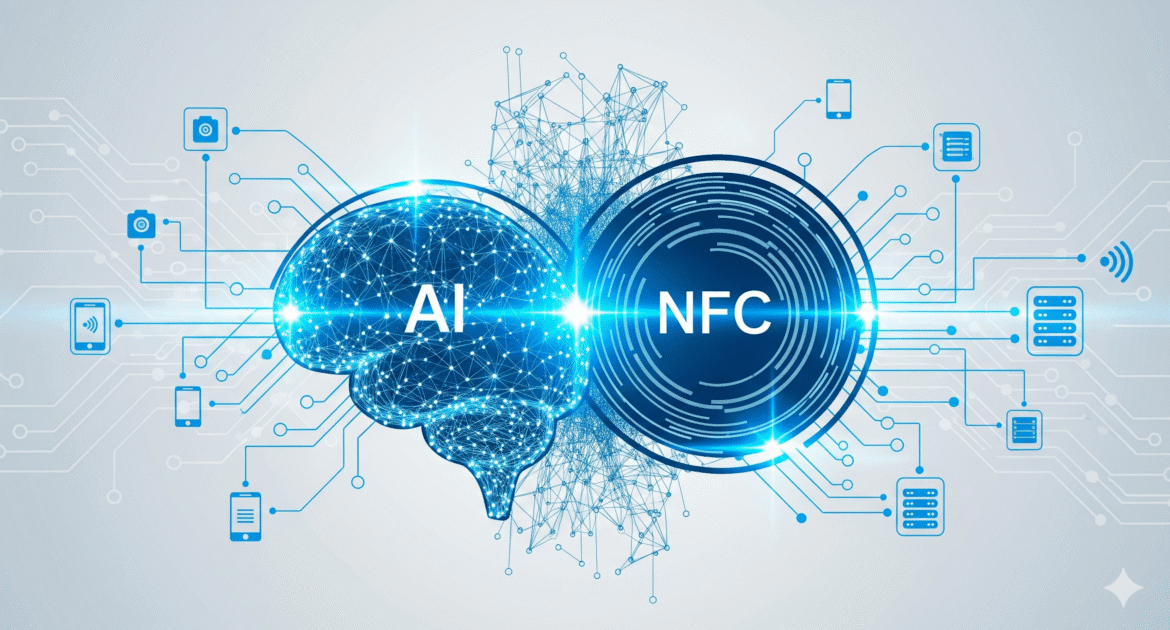
Imagine instantly sharing your professional story with a simple tap, while artificial intelligence silently shapes every interaction to be smarter and more personal. As technology shifts the networking landscape in 2025, the synergy between NFC and AI is sparking unprecedented opportunities for business growth, authenticity, and human connection. What Are NFC and AI in Networking? Near Field Communication (NFC) is a wireless technology that enables fast, secure data exchange between devices at close range. Modern smartphones and tablets support NFC by default, making it possible to share digital business card details, social links, and rich media with a single tap. Learn more about digital business cards and how they work. Artificial Intelligence (AI), meanwhile, refers to computer systems that learn from data and automate tasks like content personalization, smart contact management, and predictive recommendations. AI’s integration into networking means smarter, more meaningful data exchanges, tailored experiences, and reduced manual effort. Why Are These Technologies Transforming Networking? The traditional paper business card faces digital disruption: research shows that 88% of paper cards are discarded within a week, leading to vast missed connections and waste (Tapt). NFC-powered networking removes these barriers. By 2023, 80% of global smartphones supported NFC (Tapt), unlocking seamless, eco-friendly exchanges across every major device. Meanwhile, artificial intelligence is no longer just a buzzword in IT—Gartner predicts that 35% of enterprises will use AI to improve network resilience and operations by 2028, up from less than 10% today (CRN). Unlike legacy approaches, NFC and AI together enable: Instant, contactless sharing of up-to-date details and branded experiences, without app downloads or friction. Dynamic, personalized landing pages and profile recommendations based on each visitor’s profession, location, or past interactions. Automated lead capture and analytics, making every tap an opportunity for engagement and insight. Secure exchanges, thanks to close-range activation and built-in encryption protocols. Explore the top security features of NFC. Eco-friendly networking, connecting paperless cards with sustainable materials. See how digital business cards help save the planet. Networking is becoming not only more digital, but smarter, safer, and greener. The Marriage of AI and NFC: How It Works Today’s NFC business cards and digital business cards empower professionals to exchange contact details, social profiles, rich media, and reviews with one tap. NFC chips are embedded in sleek, recyclable cards, wristbands, or even display plaques for reviews. Each tap triggers a mobile-friendly landing page—often customizable for branding. Where AI comes in is transforming what happens after that tap: techniques like smart contact management, predictive personalization, and analytics give users more control, insight, and flexibility than ever: AI-driven landing pages adapt content in real time, showing different videos, portfolios, or calls-to-action based on the recipient’s interests, profession, or location. Automatic business card scanning, enabled by AI-powered tools, streamlines lead capture and ensures accurate data entry—no more manual typing or lost information. AI powers analytics dashboards that visualize engagement: who tapped, when, and what actions were taken, so follow-up is always timely and relevant. These features are embedded directly into the best NFC card solutions, offering frictionless networking and true paperless professionalism. Devices such as Android and iPhones can add digital business cards to Apple or Google Wallet for instant retrieval (step-by-step guide for wallet integration). Practical Tips to Maximize AI and NFC for Modern Networking Personalize Your NFC Business Card: Add multimedia, a professional photo, and customized fields that change based on your audience—maximizing impact at every event. Discover how to customize for your personal brand. Leverage AI-Powered Analytics: Use dashboards to track engagements, see who scanned your card, and refine your follow-up—making every tap count. Incorporate Social Profiles and Reviews: Link your card to platforms like LinkedIn, Instagram, and review platforms. Try an NFC LinkedIn business card, or a Google Review NFC card for instant credibility. Choose Eco-Friendly Materials: Opt for cards made from bamboo, recycled plastics, or metal to reflect your commitment to sustainability and next-generation networking. Read about eco-friendly business cards and the future of networking. Embrace Contactless Sharing at Events: Use NFC wristbands, badges, or display plaques to make sharing effortless and memorable. Explore NFC wristband solutions. Current and Future Trends Shaping Networking NFC technology and AI are converging with other emerging trends to create even more powerful networking experiences: Augmented Reality (AR): AR-enhanced business cards offer interactive, 3D experiences post-tap, turning introductions into immersive storytelling tools (Tapt). Blockchain Authentication: Secure identity verification is possible with blockchain-backed NFC cards—forged credentials in networking may soon be obsolete (Tapt). IoT Integration: NFC embedded in conference badges or wearables can trigger smart devices, automate attendance, and provide real-time analytics (Tapt). These advances mean networking is becoming truly connected, contextual, and secure. Professionals who invest in smart, AI-powered NFC solutions now will stand out and be prepared for tomorrow’s hyper-connected business environment. Why You Should Make the Leap As industries and individuals seek speed, reliability, and personalization, the union of AI and NFC solves long-standing networking pain points. Contactless, app-free experiences are fast becoming an expectation—especially since NFC outperforms QR codes in terms of convenience and security for in-person exchanges. Whether you’re a seasoned professional or a rising entrepreneur, embracing these technologies is an investment in your brand, your relationships, and the planet. Explore the top benefits of digital business cards now. Reflection: Join the Networkers of Tomorrow Networking is no longer just about exchanging contact details—it’s about building genuine, meaningful relationships facilitated by technology. The intersection of AI and NFC has opened doors to new opportunities, deeper engagement, and sustainable business practices. If you’re ready to be part of a smart, authentic, and eco-friendly community of networkers, step into the future now and share your story with every tap. The tools, the innovation, and the connections are waiting—your next brilliant introduction might be just one tap away.
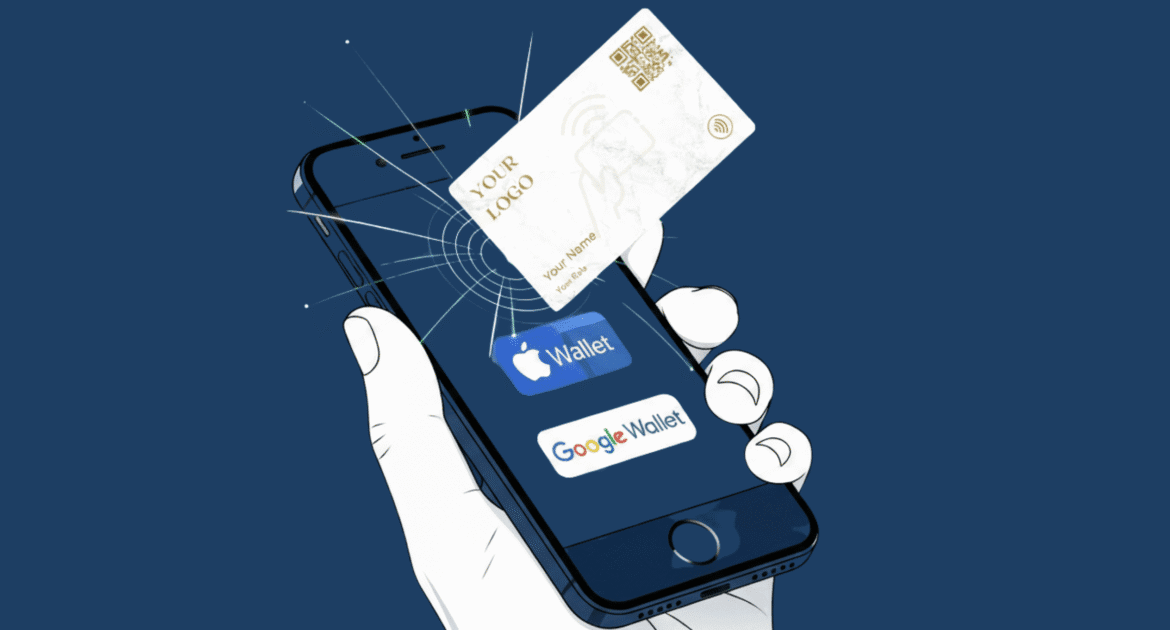
Adding your NFC business card to Apple Wallet or Google Wallet makes networking faster, smoother, and more professional. Instead of carrying a physical card, you can store a digital version in your mobile wallet, allowing you to share contact details with just a tap or scan. Why Add Your NFC Business Card to a Mobile Wallet? Instant Sharing: Launch your profile directly from your phone’s wallet. Professional Image: Impress contacts with a modern, contactless solution. No Extra App Needed: Works on most smartphones right from the native wallet app. Eco-Friendly: Reduce paper waste while keeping your information up-to-date. How to Add Your NFC Business Card to Apple Wallet Get Your Digital Business Card URLLog in to your Let’s Connect Card profile and copy your unique digital card link. Generate an Apple Wallet PassUse a pass generator that supports Apple Wallet (PassKit, MakePass, or your card provider’s built-in tool). Add Contact Info & BrandingInclude your name, company logo, and contact details. Add your NFC card link to the pass URL. Save to Apple WalletTap “Add to Apple Wallet” and confirm. Your card will now appear in your wallet for instant sharing. How to Add Your NFC Business Card to Google Wallet Get Your Card URLFrom your Let’s Connect dashboard, copy the link to your NFC business card. Use a Google Wallet Pass CreatorServices like Google Pay API for Passes or NFC card platforms can generate the pass. Fill in DetailsAdd your name, business logo, and contact link. Save to Google WalletTap “Save to Google Wallet” and confirm. Your card is now ready for tap-to-share networking. Pro Tips for Wallet-Ready NFC Business Cards Use a Short, Memorable URL: Makes QR display easy for quick scans. Add a QR Code on the Pass: Ensures compatibility with devices that don’t have NFC. Test Before Events: Try sharing your card on both Apple and Android devices. Pair with a Physical NFC Card: Combine your digital wallet card with a Smart NFC Business Card for maximum reach. FAQs 1. Do I need an app to use NFC in Apple or Google Wallet? No, both wallet apps natively support NFC and QR code passes. 2. Will my wallet card work offline? Yes, but any links on the card require internet access to open. 3. Can I update my wallet card info? Yes. Changes to your Let’s Connect profile can sync automatically if your pass supports dynamic updates.
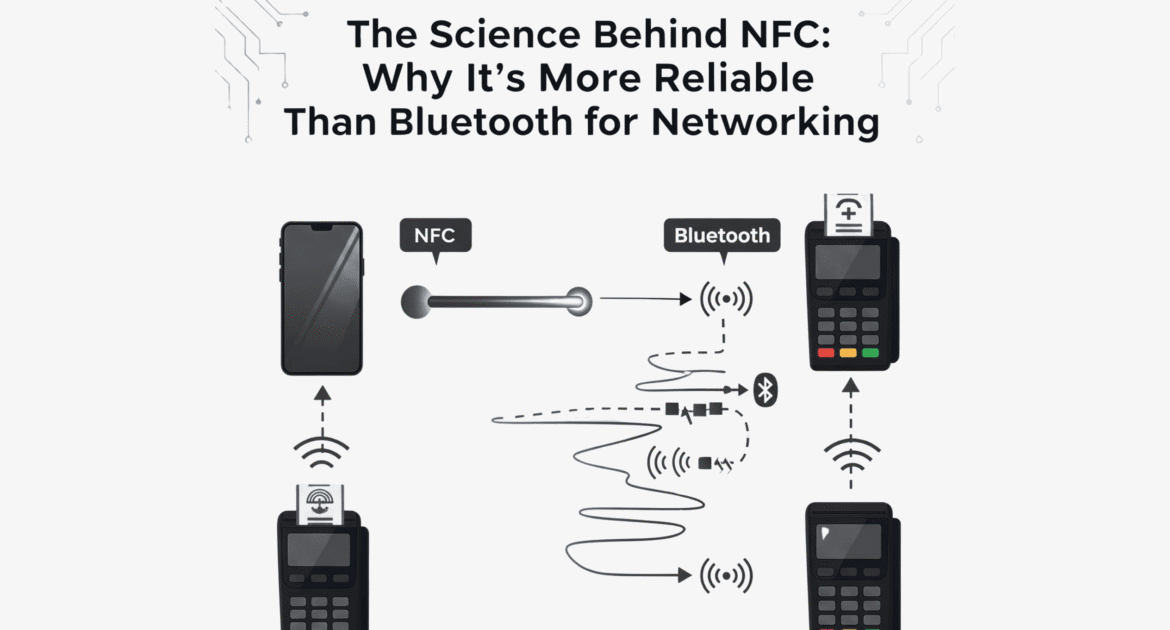
Both NFC and Bluetooth enable short-range wireless interactions, but they’re built for very different jobs. When the goal is to share a business profile instantly and predictably—at a booth, meeting, or event—NFC wins on reliability, intent, and user experience. Here’s the science behind why. Physics & Range: Intentional Short Distance vs Ambient Radio NFC (13.56 MHz, magnetic inductive coupling) works at a few centimetres. That tight range is a feature, not a bug: it forces a deliberate, contact-adjacent action (a tap), which reduces accidental triggers and ambiguity. Bluetooth (2.4 GHz, radiative RF) is designed for meters of range and continuous discovery, which is great for audio or peripherals—not for quick, consent-driven identity handoffs. NFC: Near-field coupling, predictable read window → consistent “tap → open” behavior. Bluetooth: Shared ISM band, variable RSSI, prone to interference in crowded venues. Connection Model: Zero Pairing vs Negotiation NFC launches content directly from a tiny chip (often just a URL). There’s no pairing, discovery, or passkey. Bluetooth typically requires device discovery, capability negotiation, and sometimes permissions—extra steps that add delay and failure points during fast networking moments. NFC: Single, deterministic action (tap) → instant content. Bluetooth: Multi-step flow (scan → select → pair/allow) → more user friction. Power & Reliability: Passive Tags vs Battery Dependence NFC tags are passive; they draw power from the reader’s field. No battery = nothing to charge, nothing to fail. Bluetooth sharers depend on the phone’s radio state (on/off), background permissions, and sometimes an app in the foreground, which can be inconsistent across OS versions. Security Posture: Proximity = Natural Guardrail Because NFC only works at very close range, it’s inherently consent-driven. Bluetooth’s longer range and background scanning are fantastic for audio handoff and wearables, but they raise more edge cases (accidental connections, noise in device lists) for quick, in-person introductions. For a deeper look at safety myths and realities, see Is NFC Safe? Myths vs Facts. Payload Fit: Tiny Trigger, Big Experience Networking doesn’t require streaming data—just a fast pointer to your profile. NFC excels at this minimal, reliable payload (a URL) that opens a PWA-fast landing page where the real experience lives. Bluetooth’s strength (sustained throughput) is overkill for a “launch my profile now” use case. UX Evidence: Tap → Open Beats “Find → Pair → Allow” At events, speed and certainty drive conversions. A physical tap provides a clear affordance (“do this now”), triggers haptics on many devices, and lands users on your page within a second. Fewer steps = higher completion rates. Factor NFC (Best for Networking) Bluetooth (Great for Peripherals) Typical Range ~0–4 cm (intentional) ~1–10 m (ambient) Setup No pairing, one tap Discovery + pairing/perms Power Passive tag, no battery Active radio, battery-dependent Interference Sensitivity Low in near-field Higher in crowded 2.4 GHz Best Payload URL trigger → PWA profile Sustained data streams User Friction Very low Moderate How This Translates to Better Results Fewer failed shares: Tap is deterministic, even in noisy RF environments. Faster time-to-content: Immediate profile open boosts engagement. Higher perceived polish: Tap feels premium and purposeful. See what an optimised profile experience looks like with a Digital Business Card and upgrade the physical touchpoint with the Smart NFC Business Card. FAQs Is NFC universally supported? Most modern iPhones and Android phones support NFC reading. For older devices, always include a printed QR fallback on the card. Is NFC more secure than Bluetooth? For networking triggers (opening a profile), NFC’s very short range and user intent provide a strong practical security posture. For more, read Is NFC Safe? Myths vs Facts. When is Bluetooth the better choice? When you need sustained data transmission (e.g., audio streaming, wearables), for quick identity handoff, NFC is simpler and more reliable. How does NFC actually work in a card? A tiny passive chip stores a URL. The phone’s NFC reader energises the chip and opens your page. Learn more in How NFC Works in Business Cards. Related read: Comparing media. See NFC vs QR Code Business Cards to decide your ideal mix. Then equip your team with Smart NFC Business Cards.